The responses to the challenges
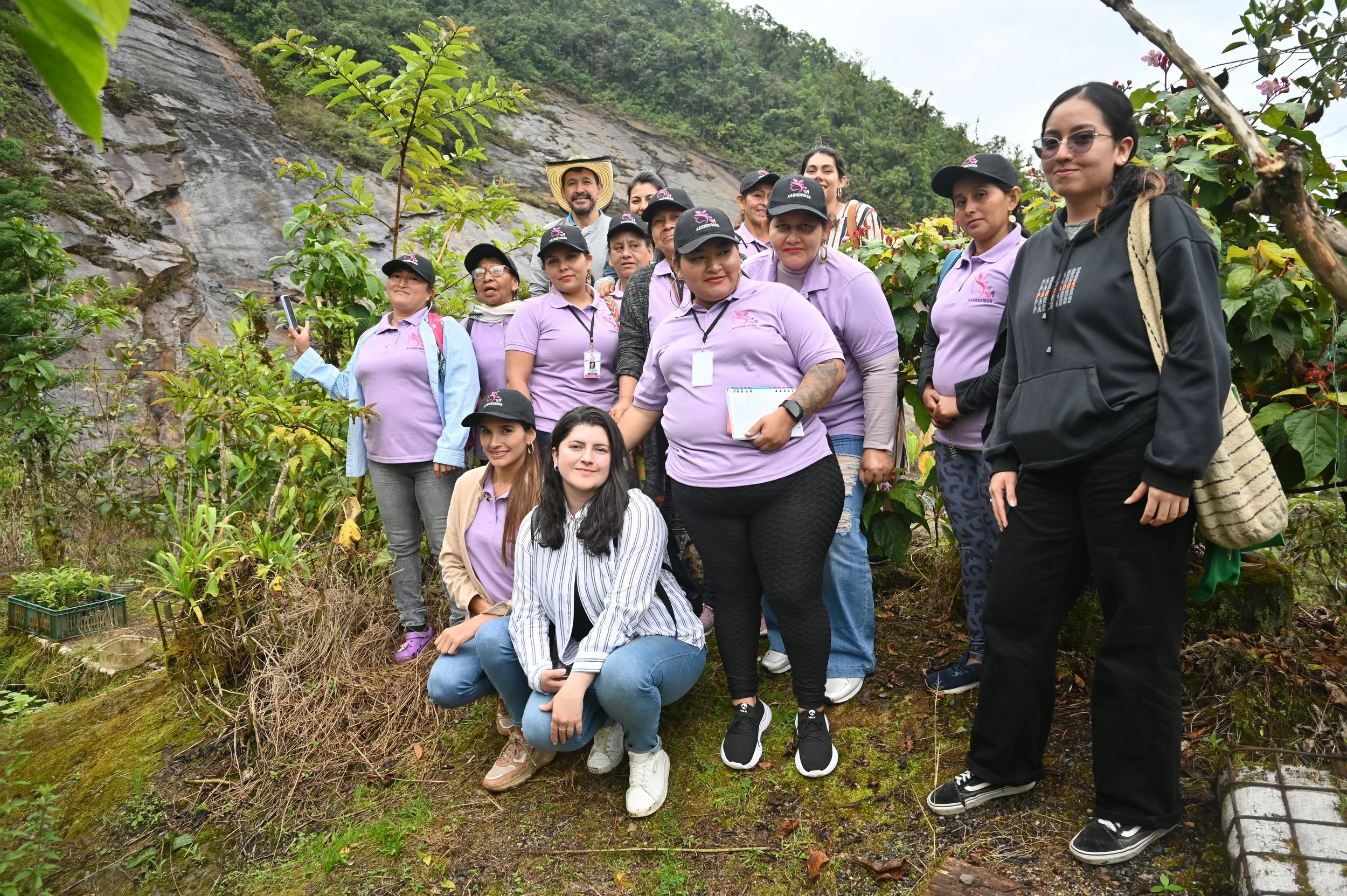
The participating communities —especially rural women, young people and victims of the armed conflict— developed various strategies to tackle the multiple crises arising from the pandemic, the armed conflict and persistent socioeconomic exclusion.
Among these actions, the appreciation of knowledge, such as traditional medicine, stands out; the creation of spaces for collective care; the use of oral and artistic narratives to process grief and violence; and the construction of a community garden as a space for food security and gathering.
These initiatives strengthened bonds, recovered memories and generated collective responses based on dignity and community organisation.
-
During the pandemic, women took on multiple caregiving responsibilities, not only for their immediate families but also for elderly people, neighbours and those in vulnerable situations, often at the expense of their own physical and emotional health.
Faced with overload, isolation and a lack of institutional recognition, they turned to traditional knowledge and community healing practices, such as the use of medicinal plants and the reappropriation of the garden as a space for care, connection and resistance. These actions redefined care as a collective and political practice, and strengthened affective and community networks that endure beyond the crisis.
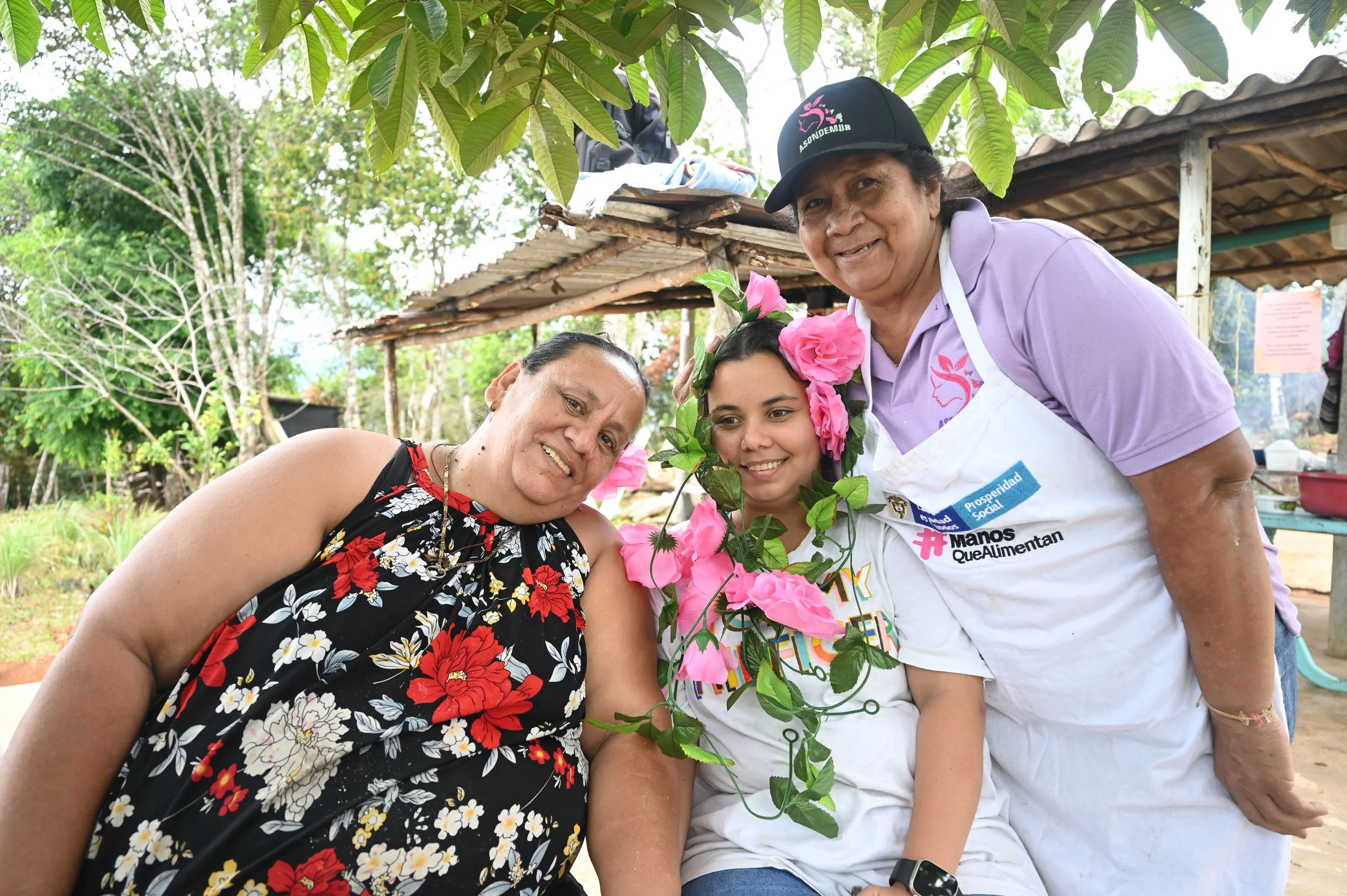
Collective care actions included supporting other women, providing emotional support activities and maintaining organisational spaces.
Through their leadership, women promoted non-institutionalised forms of care that strengthened social cohesion, taking on a central role in community reconstruction.
-
Faced with isolation and hardship, communities activated informal networks of care and solidarity, sharing food. Traditional practices of exchange, bartering and food support between families and neighbours were intensified, ensuring basic essentials in the absence of market access or government support.
The project promoted gatherings among women, young people and victims of the armed conflict, generating bonds of trust, mutual care and intergenerational collaboration.
Horizontal spaces for meeting, listening and co-creation were created, allowing participants to see themselves as active agents of change rather than just recipients of aid.
The political and organisational training strengthened the capacity of organisations to participate in institutional spaces such as municipal victims' committees, women's committees and territorial peace councils.
-
Faced with distrust towards the healthcare system and limited institutional coverage, many women and families turned to the use of medicinal plants and traditional knowledge to prevent and treat illnesses. Interest grew in reclaiming peasant and ancestral knowledge and practices.
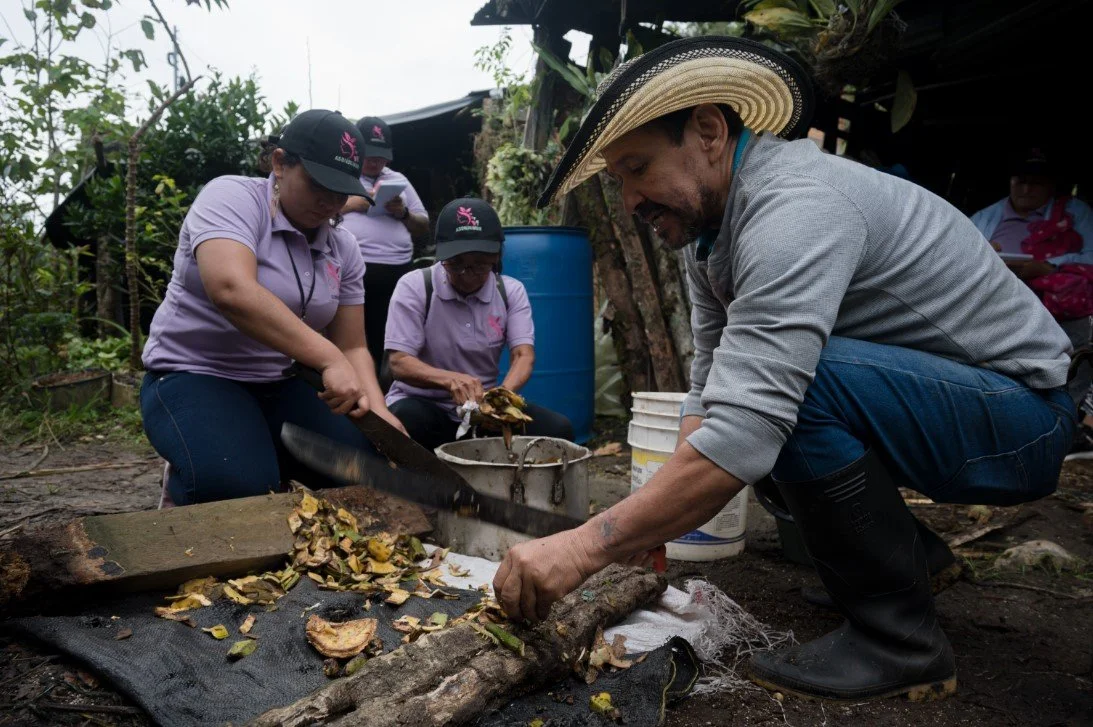
On the La Estrella street in the municipality of Florencia, women promoted the creation of a community garden as part of their recovery and organisational development process. More than a strategy to guarantee direct access to food, the garden focused on the cultivation of medicinal plants, combining traditional knowledge with a vision of economic autonomy through their future local sale. The space became a meeting place and a setting for collective learning about healing practices, the use of home remedies and the intergenerational transmission of knowledge.
At the same time, throughout the project multiple forms of food support among rural communities were evident, through solidarity exchanges, bartering and mutual aid between families. These practices, based on relationships of reciprocity and community care, played a key role during the most critical moments of the pandemic, strengthening social bonds and reaffirming the value of peasant economies and support networks that exist beyond the market and institutional aid.
-
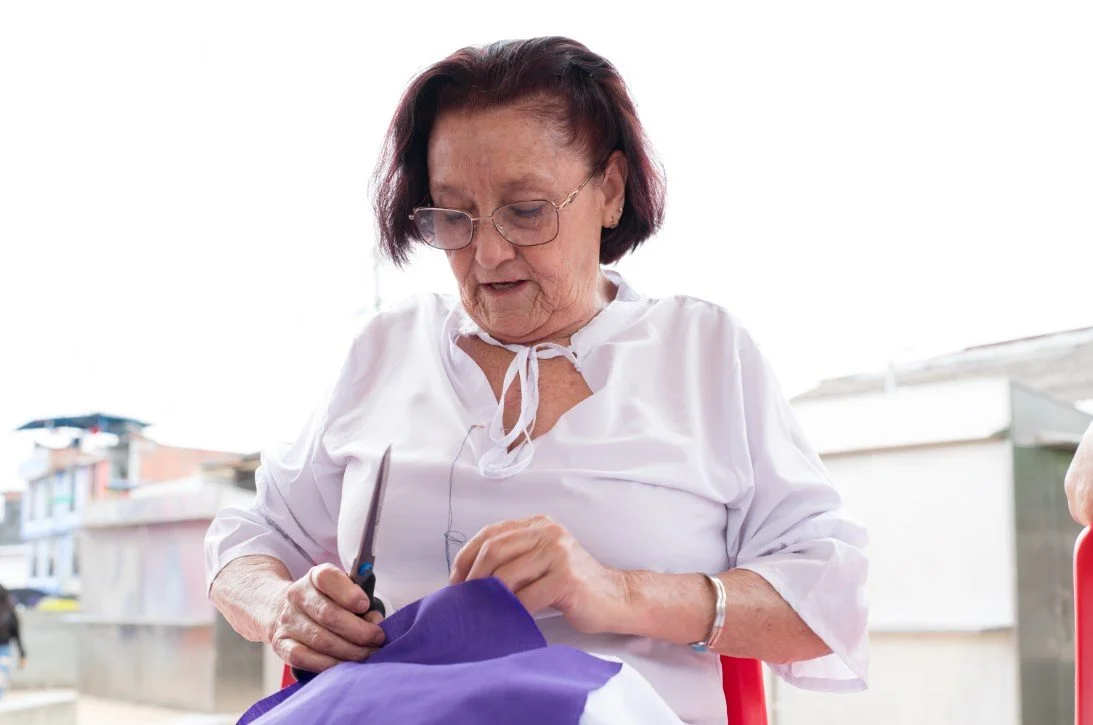
Artistic and performative methodologies such as image theatre, body mapping, corpodance, community murals, and the collective weaving of a patchwork quilt were implemented.
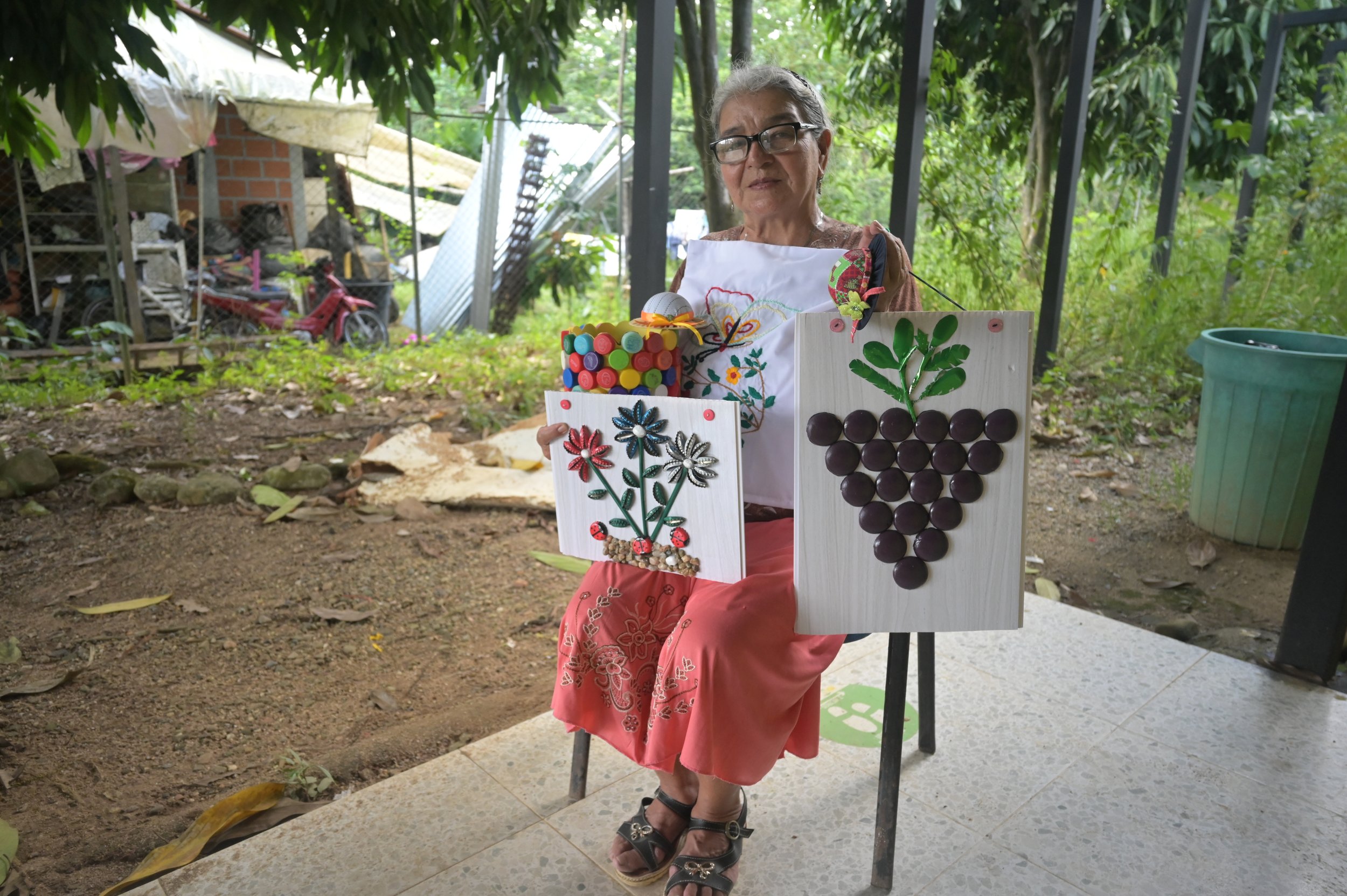
The communities created documentaries, graphic narratives, and photo galleries as forms of collective memory and to make their stories visible.
Cultural activities such as singing, weaving, dancing, for example the production of the short documentary “A Dance for Peace” helped to strengthen community identity and to reframe grief through symbolic creation.
-
The project strengthened strategic links with public institutions, universities and civil society organisations at local, national and international levels. Communities participated in dialogue tables, municipal councils, fairs and public forums, expanding their capacity for influence. Additionally, public policy recommendations on recovery in Marquetalia and Florencia were developed and delivered. These recommendations incorporate the voices of communities in the design of fairer and more inclusive responses. Collaboration with researchers from Brazil, Peru and the United Kingdom also enabled a comparative analysis and joint knowledge production, strengthening South-South and international collaboration networks.