The communities in Colombia
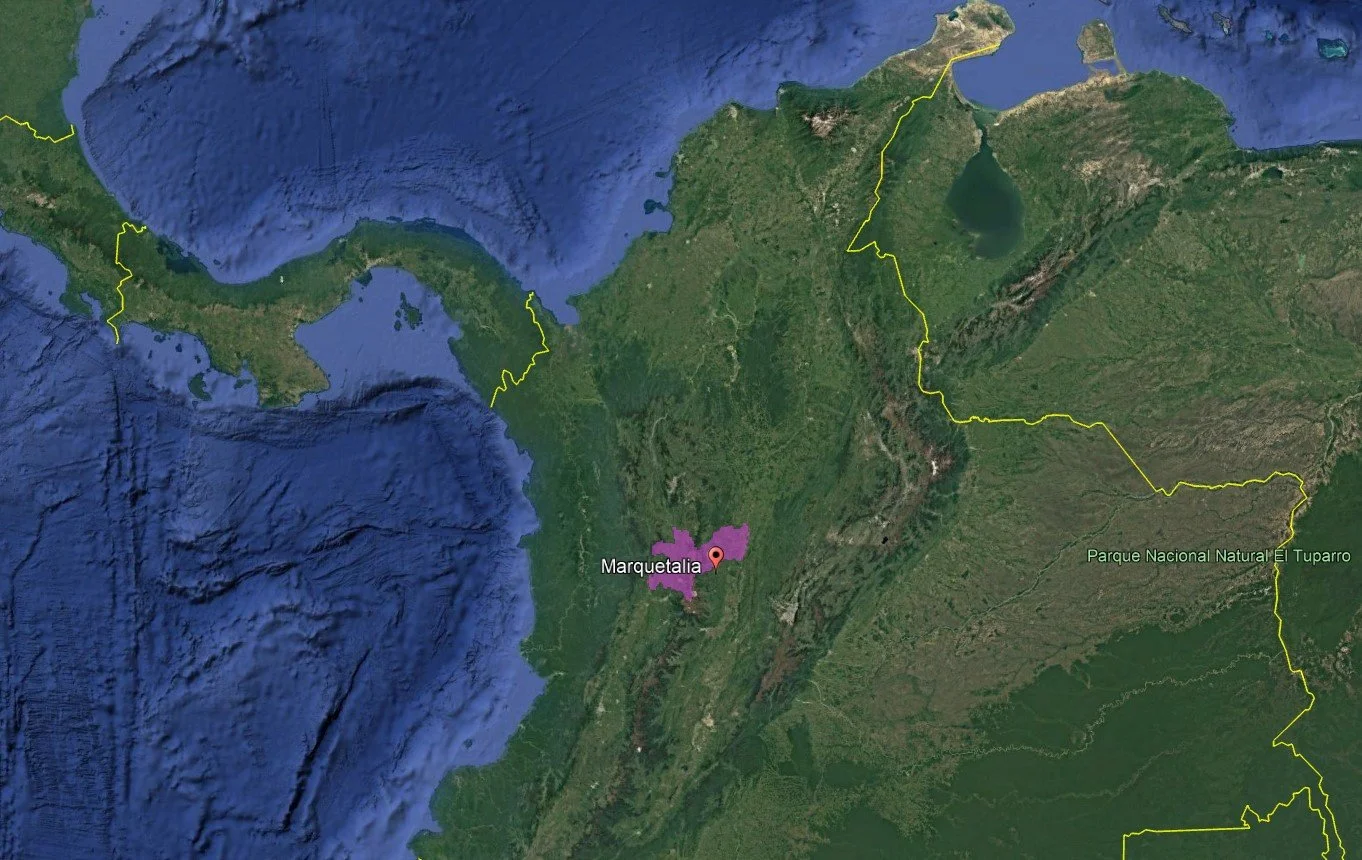
In Colombia, the 'Voices of Recovery' project was carried out in three locations: Marquetalia (Caldas), Florencia and La Montañita (Caquetá).
Marquetalia
The municipality of Marquetalia is located in the heart of the Colombian Coffee Axis, in the department of Caldas, within the Alto Oriente subregion.
Its population has been deeply affected by the armed conflict, especially by the forced displacement caused by paramilitary groups, leaving deep marks on its social and community fabric.
Organisations and community actors involved in the project in Marquetalia

-
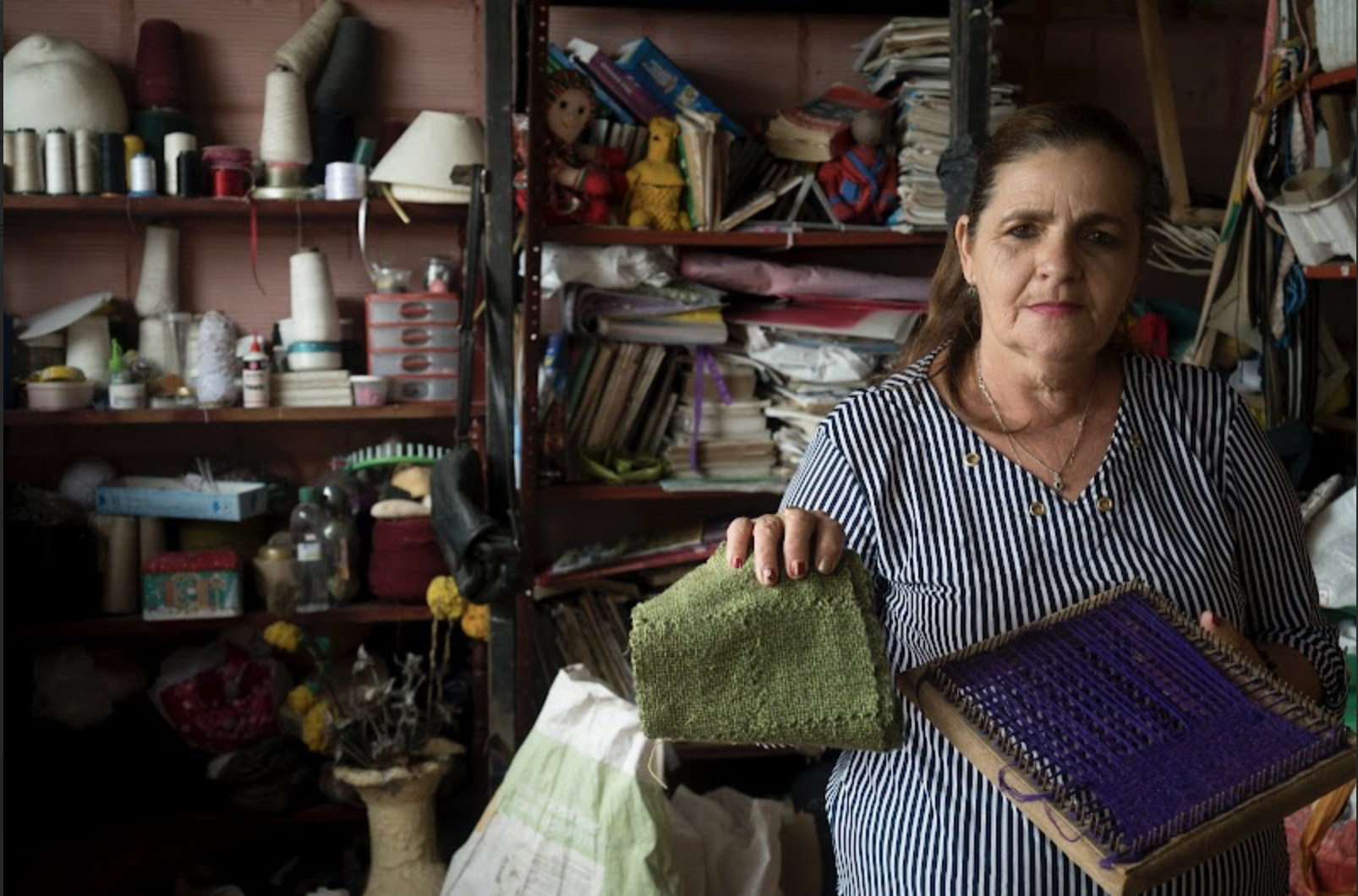
The association has been present in the municipality for the past 20 years and is currently made up of 18 women residing in urban and rural areas of Marquetalia. More than half are victims of the armed conflict and carry out agricultural work and unpaid care work in their homes and communities.
In coordination with the Marquetalia Women's Network and other local female leaders, they formed a group of 36 women.
We work collaboratively based on their interest in weaving and sewing as strategies for emotional, social and economic recovery.
-
We work with a group of 23 people who are victims of the armed conflict, composed of members from two associations: Marquetalia Victims Association (ASVICMAR) and Association of Displaced and Victims of Violence of Marquetalia (ASODESPLAZAVIC), in addition to members of the Community Action Boards (JAC).
The group is made up of people aged between 42 and 70, residing in urban and rural areas, many of whom are survivors of forced displacement, torture and kidnapping. They are mainly engaged in agricultural work and unpaid care work in their homes and communities.
The victims' organisations focus on recognising the violence suffered, rebuilding collective memory and defending their rights.
In joint co-creation processes, we have produced educational materials that recover the history of the armed conflict in the municipality and its relationship with the effects of the pandemic.
-
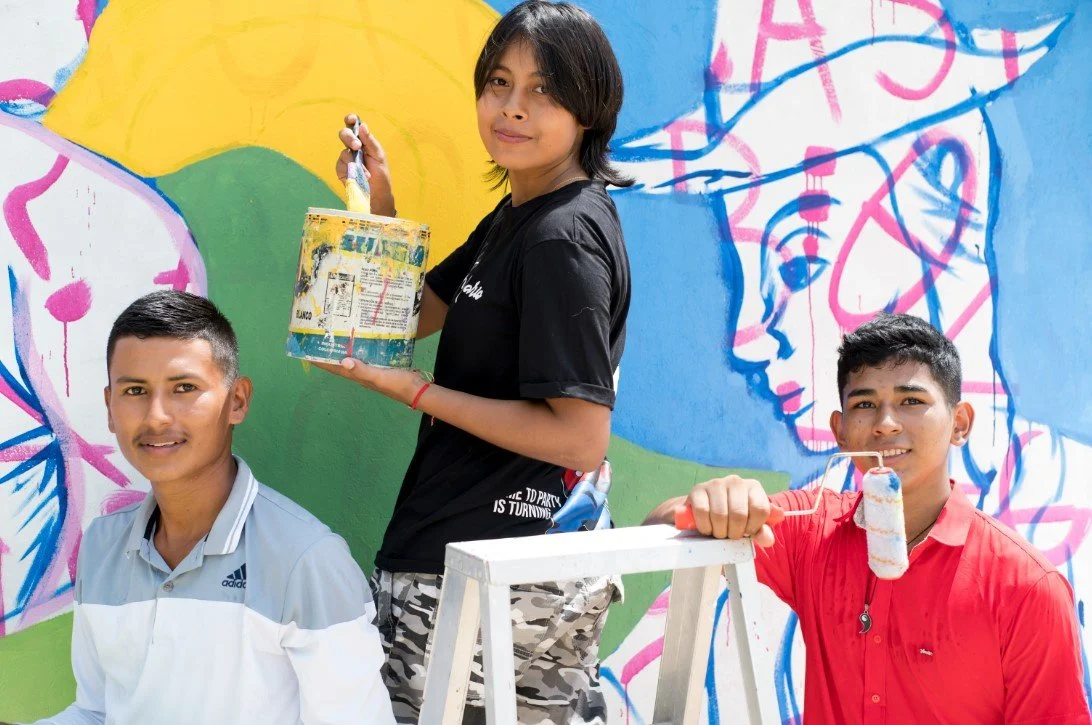
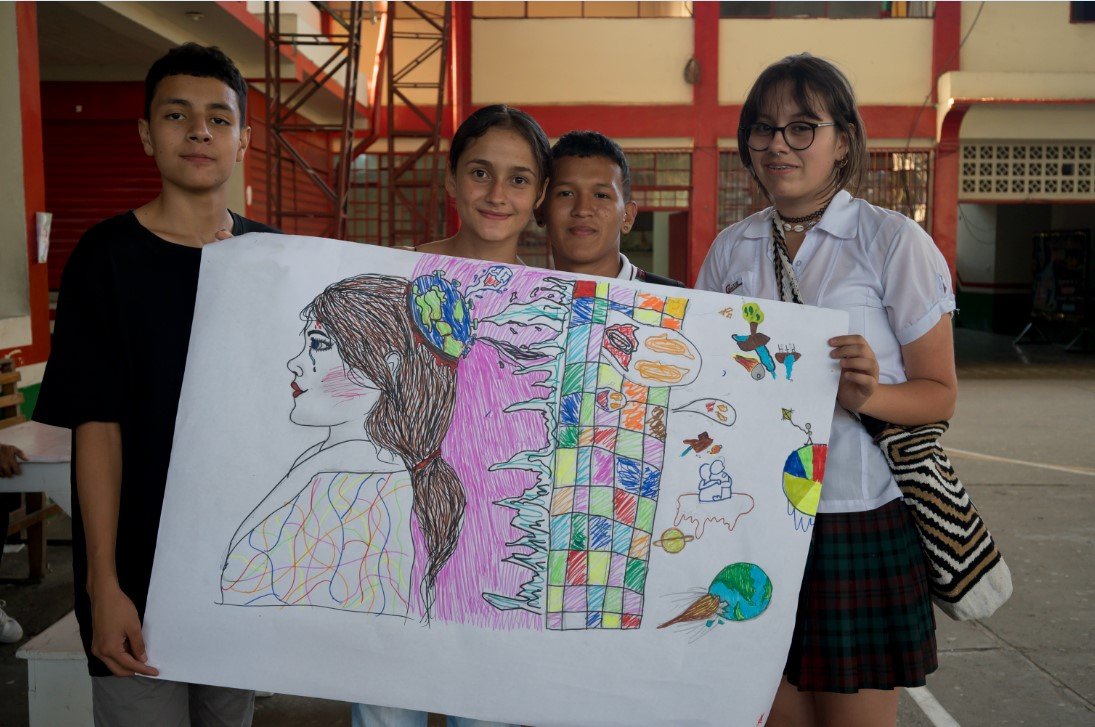
This group is made up of 23 young people aged between 10 and 17, students of basic secondary education at the Juan XXIII Educational Institution, located in the urban area of Marquetalia. They are in grades six to eleven and actively participate in school activities, some as coexistence leaders and others with support from the psycho-orientation department.
In a collective exercise we developed games and a mural as creative ways to express their experiences, emotions and reflections regarding the pandemic and the lockdown.
Caquetá
The department of Caquetá, located in the south of Colombia within the Amazon region, is made up of 16 municipalities, including Florencia — its capital — and La Montañita, where this project is being carried out.
Historically, Caquetá has been one of the regions most affected by the armed conflict, with deep impacts on the lives of its inhabitants.
The physical and cultural extermination of indigenous communities, land dispossession, the expansion of extractive and illegal economies, and the persistence of sociopolitical violence have worsened living conditions in the area.
These dynamics have contributed to the increase of structural inequalities, unemployment, informal work, and impoverishment, factors that intensified with the arrival of the pandemic.

Organisations and community actors involved in the project in Caquetá
-
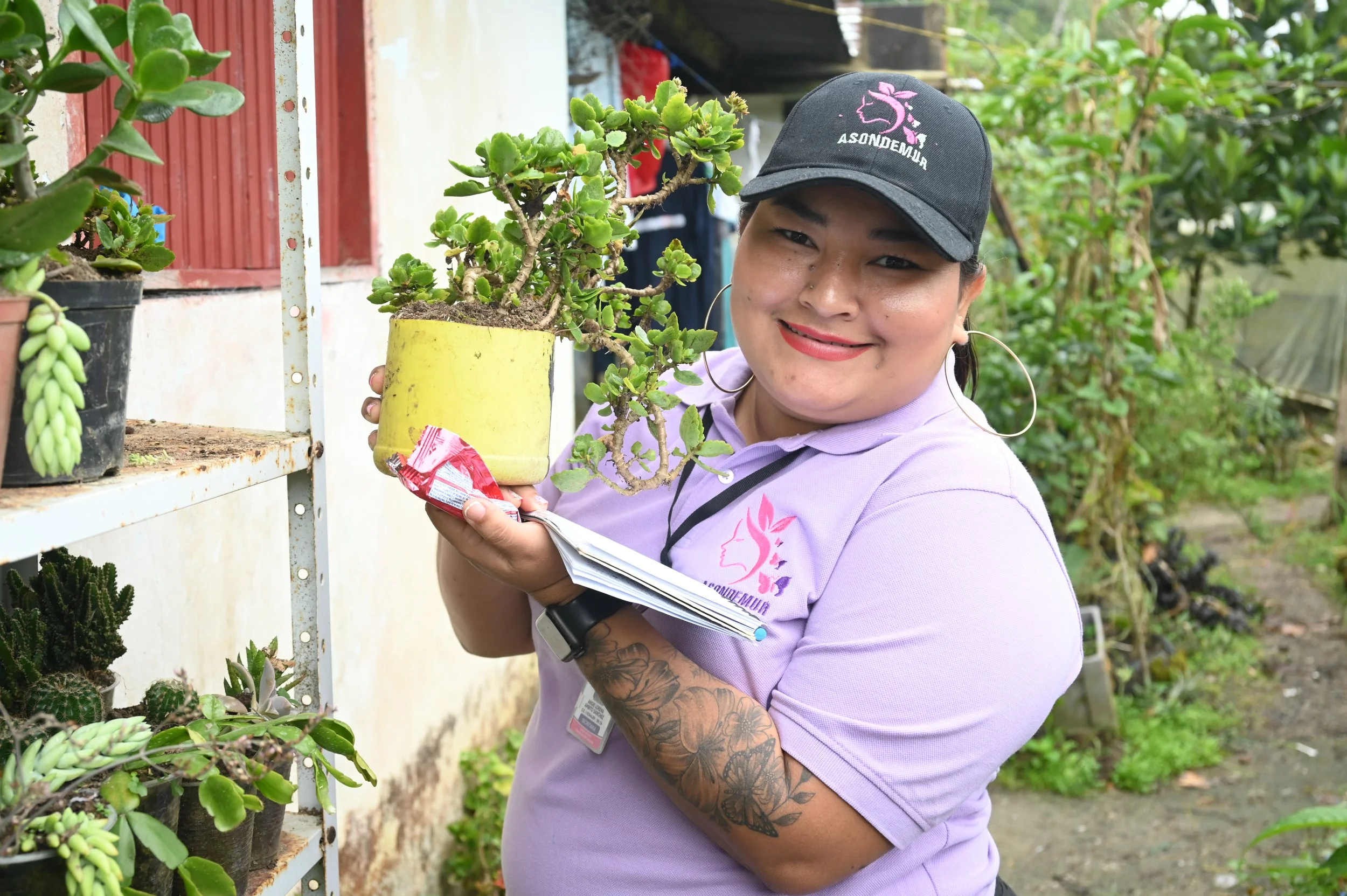
ASONDEMUR is made up of 25 rural women who live in the La Estrella village, located in the Orteguaza township, in the municipality of Florencia, Caquetá.
Being in a natural reserve area, these women have promoted initiatives related to environmental conservation, participating in reforestation programmes, waste management and recycling, among other community actions.
We are working with them on the creation and maintenance of a Community Medicinal Garden as a collective project. This garden aims to reconnect with the land, preserve traditional knowledge and generate sustainable alternatives for care, environmental conservation and restoration. -
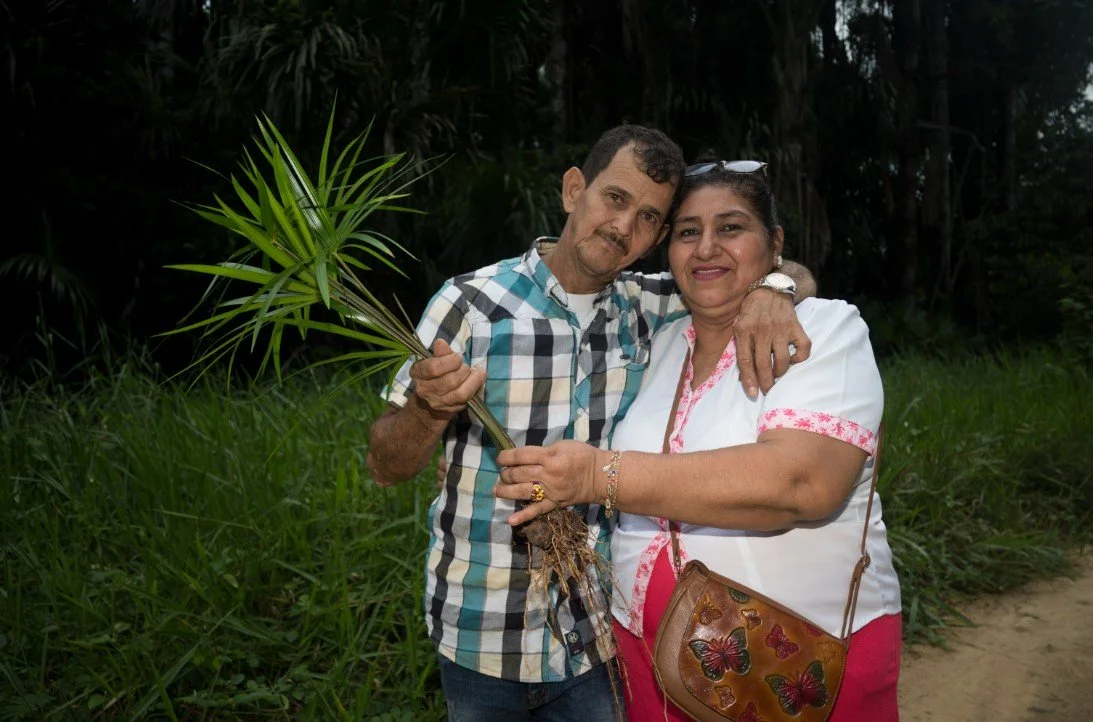
The Tropical Fusion Association of the Amazon emerged in 2018, made up of men and women farmers who were victims of forced displacement and land dispossession due to the armed conflict. Since then, they have built a collective identity that combines the defence of their territory with the recovery of their rights and memories.
Despite facing a path marked by pain, risk and resistance, they have reclaimed their lands and, at the same time, have promoted a project to recover Amazonian culinary knowledge through the collection and sustainable use of non-timber forest fruits.
The association focuses on promoting the slogan 'Peace with environmental justice'. This involves recognising the Caquetá territory as a historical victim of the devastation caused by the armed conflict, environmental damage, state abandonment and structural violence.
A first step in this process has been the collective reconstruction of the Association's history as an exercise in memory, dignity and community recovery.
-
The FUMUCASTIVIC Foundation was created in January 2022 by a group of 35 women living in the La Gloria urbanisation in Florencia, Caquetá. These are rural women without land and victims of the armed conflict, who found in community organisation a way to assert their rights and make their struggles visible.
Together with them, we promote spaces for dialogue between institutions, victims and civil society, with the aim of recognising collective responsibility in transforming the structural conditions of injustice faced by rural women in the department. This dialogue also aims to promote sustainable alternatives for individual, collective and territorial recovery.
-
This group is made up of 9 young people — women and men — from the towns of La Unión Peneya, Santuario and Agua Bonita in the Municipality of La Montañita.
Among its members are diverse youth leaders: representatives of the LGBTIQ+ community, Youth Council members with different political affiliations and active members of the Municipal Youth Platform of La Montañita.
Together, we work on building records of memory and generational transmission, with the aim that new generations recognise these leadership paths, identify with them and continue their legacy of participation and social transformation.